Semax is a research peptide studied for how it may affect brain signalling, memory-related pathways, and proteins involved in nerve-cell growth and communication. Researchers are particularly interested in how it may influence BDNF, a protein involved in the growth, survival, and adaptability of nerve cells. This is why Semax often appears in research related to learning, memory, and neurological signalling.
Semax is a short synthetic peptide derived from part of the ACTH hormone sequence. It has attracted research interest because it appears to influence signalling systems involved in brain function, memory, and the way nerve cells adapt to changes.
One of the main areas studied is its relationship with BDNF, a protein that helps support the growth, survival, and adaptability of nerve cells. Preclinical research has found changes in BDNF and related signalling after Semax exposure.
Research Areas
Braincell signalling
Memory-related pathways
BDNF research
Neuronal communication
Neurotrophic signalling
Central nervous system research
Product Highlights
ACTH-derived research peptide
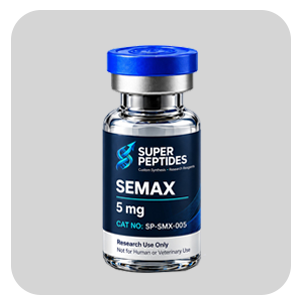
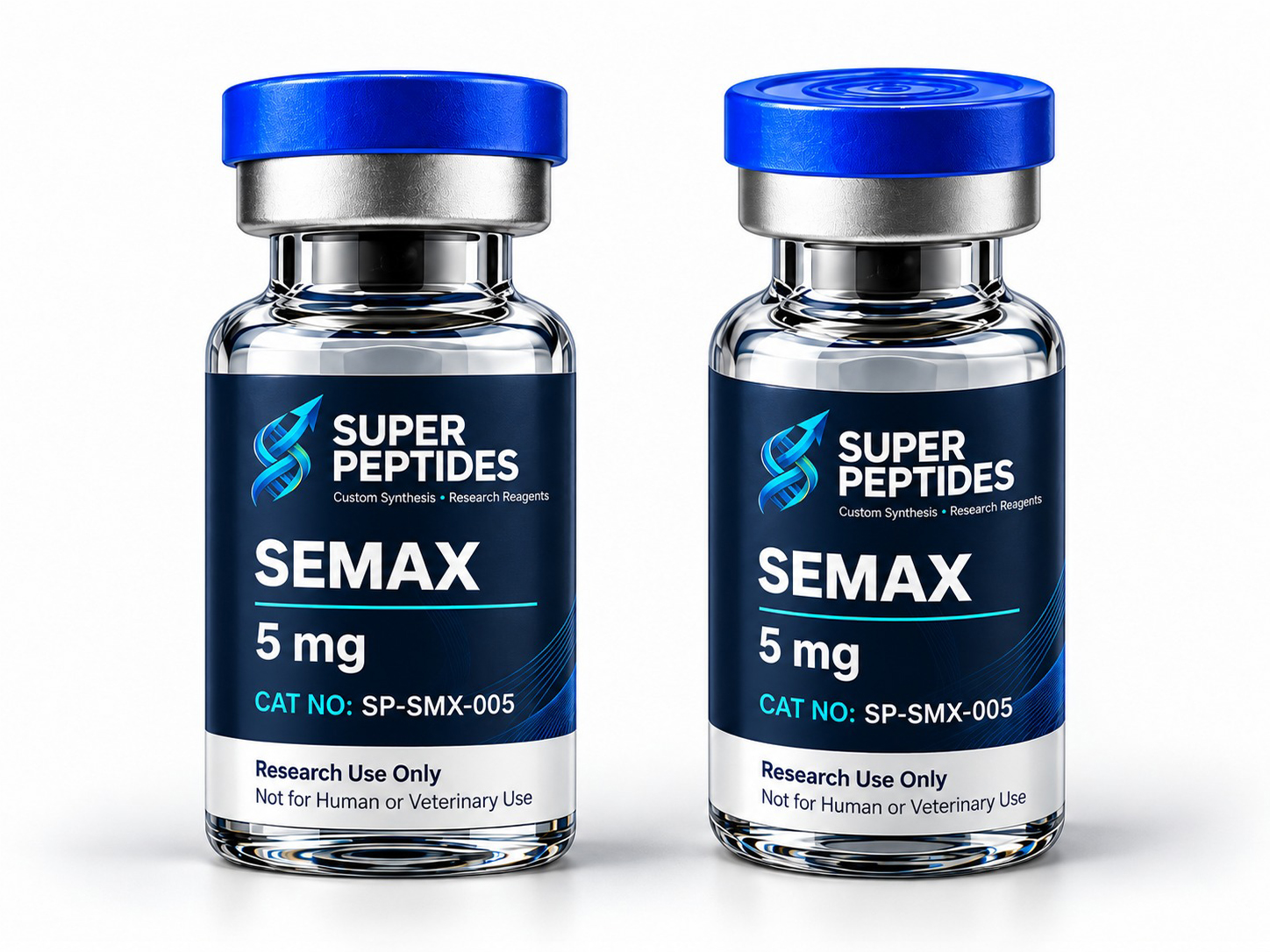
Supplier COA available
Lot-specific documentation
Lyophilized research material
Research Use Notice
For laboratory research only. Not for human or veterinary use. Not intended for diagnostic, therapeutic, or clinical applications.
Technical Specifications
Specification
Value
Product
Semax
Classification
ACTH-derived synthetic peptide
Sequence
MEHFPGP
CAS
80714-61-0
Molecular Weight
~813.9 g/mol
Form
Lyophilized powder
Intended Use
Laboratory research
Literature
What researchers are studying
Semax research has focused on how the peptide may affect BDNF,
TrkB signalling, synaptic plasticity, memory-related processes,
and neuronal communication. Much of the mechanistic work comes
from animal and cell studies.
Analytical values shown are based on the supplier-provided
lot-specific COA. Independent Canadian laboratory confirmation
has not been completed for this trial lot.
Product Information
Frequently Asked Questions
Key information about Semax, neurotrophic research,
documentation, and intended use.
Semax is a short synthetic peptide used in
research on brain signalling and neurotrophic
pathways.
A major area of research interest is how Semax
may influence BDNF, TrkB signalling, and other
proteins involved in nerve-cell communication,
synaptic plasticity, and adaptability.
Much of the detailed mechanistic research on
Semax comes from animal, cell, and other
laboratory models.
Yes. The supplier-provided Certificate of
Analysis for the applicable current lot can
be linked in the COA Documentation section.
No. This product is intended for laboratory
research purposes only and is not intended
for human use.










Reviews